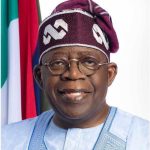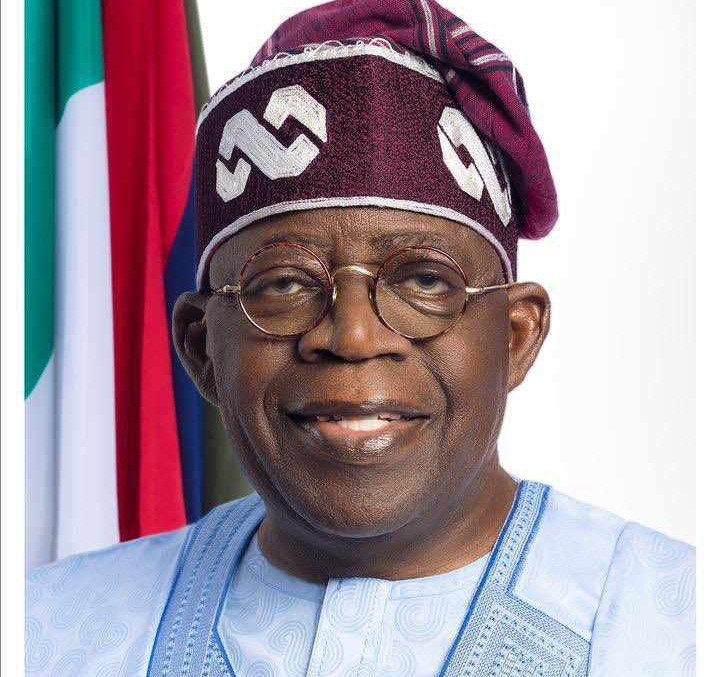
President Bola Ahmed Tinubu has taken Nigeria’s economic reform agenda directly to some of the world’s largest investment houses, assuring them of policy stability, transparency, and fiscal discipline as the cornerstone of his administration’s push toward a $1 trillion economy by 2030.

The President met with senior executives from Citibank and France’s Amundi, led by Chief Executive Valerie Baudson, on the sidelines of his three-nation tour that began on Sunday. Also in attendance were representatives of BlueCrest, Britain and South Africa-based Ninety One, Kirkoswald Capital, Principal Finisterre, as well as U.S. investment groups Prudential Global Investment Management (PGIM) and Mesarete Capital.
At the high-level engagement, Tinubu outlined the rationale behind his government’s swift and often controversial reforms since assuming office, stressing that the measures were designed to remove economic distortions and stabilize macroeconomic indicators.
“The focus remains on policy stability and diligent execution to ensure these strategic shifts translate into concrete benefits for all Nigerians,” the President said.
He reiterated his administration’s commitment to deepening structural reforms, enhancing transparency across the oil value chain, and rolling out a multi-pronged security strategy. The plan, he noted, includes police decentralisation and targeted action to disrupt terrorist financing — issues he described as critical to creating a safe and predictable environment for investment.
Minister of Finance and Coordinating Minister of the Economy, Taiwo Oyedele, presented Nigeria’s recent economic performance as evidence that the reforms are yielding results. He revealed that Nigeria recorded *11.2% GDP growth in dollar terms in 2025*, a milestone he said reinforces the country’s ambition to hit a $1 trillion economy within the next four years.
Oyedele also highlighted the government’s immediate priorities: translating reforms into tangible outcomes for citizens and improving public accountability. To that end, he pledged that the government would begin publishing quarterly financial data to give investors and citizens clearer visibility into public spending and revenue performance.
Addressing concerns around Nigeria’s debt profile, Director General of the Debt Management Office, Patience Oniha, assured investors that the government is pursuing a responsible approach to debt financing. She emphasized a focus on sustainable debt management, aimed at balancing growth needs with long-term fiscal health.
Several investors at the meeting commended the administration’s transformative reforms, expressing renewed optimism about Nigeria’s economic trajectory. One investor raised questions about the President’s agenda beyond 2027. In response, Tinubu promised to maintain fiscal discipline, strengthen transparency, and ensure consistency in economic policy, regardless of the political calendar.
The Paris engagement is part of Tinubu’s broader strategy to attract foreign direct investment and rebuild international confidence in Nigeria’s economy. Since taking office, his administration has implemented sweeping reforms including the removal of fuel subsidies, foreign exchange market unification, and tax system restructuring — moves that initially triggered inflation but are now showing signs of stabilizing the macroeconomy.
Analysts say the presence of major global asset managers like Amundi and PGIM signals growing interest in Nigeria’s capital markets, particularly in infrastructure, energy, and technology sectors. However, they caution that execution and consistency will be key to sustaining investor confidence.
Tinubu left Nigeria on Sunday for the three-nation trip, with Paris being the first stop. The presidency said the engagements are aimed at securing partnerships that will support job creation, industrial growth, and inclusive development.
As the 2030 target approaches, the administration faces the dual challenge of maintaining reform momentum while ensuring that economic gains reach ordinary Nigerians. For now, Tinubu’s message in Paris was clear: Nigeria is open for business, and the reforms are here to stay.